Coming home:
navigating the challenges of adapting to family life after military service
Transitioning from military life to family life is a significant adjustment that affects not only the veteran but also spouses, children and extended family members. Understanding more about family support after armed forces service can help you to reconnect and rebuild strong, lasting bonds.
This guide provides veterans and their families with tips and support options on how to build strong family bonds as they transition to civilian life.
Time to read:
Shifts in roles and responsibilities
Life in the military involves strict routines, clear roles and responsibilities very different from civilian life. On returning home, veterans may find themselves navigating tasks that feel unfamiliar. Meanwhile, partners may have taken on additional family responsibilities during deployment, and children may have grown accustomed to independence.
Open conversations about roles and expectations are key. Gradually taking on household tasks and working as a team helps reduce tension and supports smoother reintegration into family life.
Emotional and mental health challenges
Returning to civilian life can bring emotional hurdles. Some people notice changes in how they react to stress or everyday situations, especially after long periods in high-pressure environments. Even minor disagreements with children or partners can feel intense.
Acknowledging these feelings and seeking support when needed is crucial. Always speak to your GP about health issues in the first instance, remembering to tell them that you’ve served in the armed forces.
Changes to work
Adjusting to civilian work is one of the biggest changes for veterans and their families. After the structure and purpose of military life, finding the right civilian role can take time. This period can affect routines, finances and confidence. It’s important to know about the support available.
You may wish to explore support options options such as the Career Transition Partnership, Op ASCEND or the various public sector career pathways for veterans. These can really help.
Many offer support to family members as well as veterans, so it’s not just about the person leaving service.
With the right support, many veterans and families successfully build rewarding second careers after leaving the armed forces.

Rebuilding family bonds
Time apart during service can create gaps in relationships. Children may have adapted to managing without a parent, and partners may have developed new routines. Reconnecting involves more than physical presence. It requires building trust, understanding and shared experiences.
Start with small, meaningful interactions:
A weekly family night to watch a film or play games.
Shared hobbies or outdoor activities, like walking in the local park or cycling.
Daily check-ins with children to talk about their day.
For many families, things don’t click straight away, and that’s normal.
Managing expectations versus reality
It’s natural to expect returning home to feel like ‘normal life’ instantly. In practice, adaptation can be stressful, with misunderstandings and unspoken tensions arising.
It helps to keep expectations realistic. Things don’t usually fall back into place overnight, but small steps do add up over time.
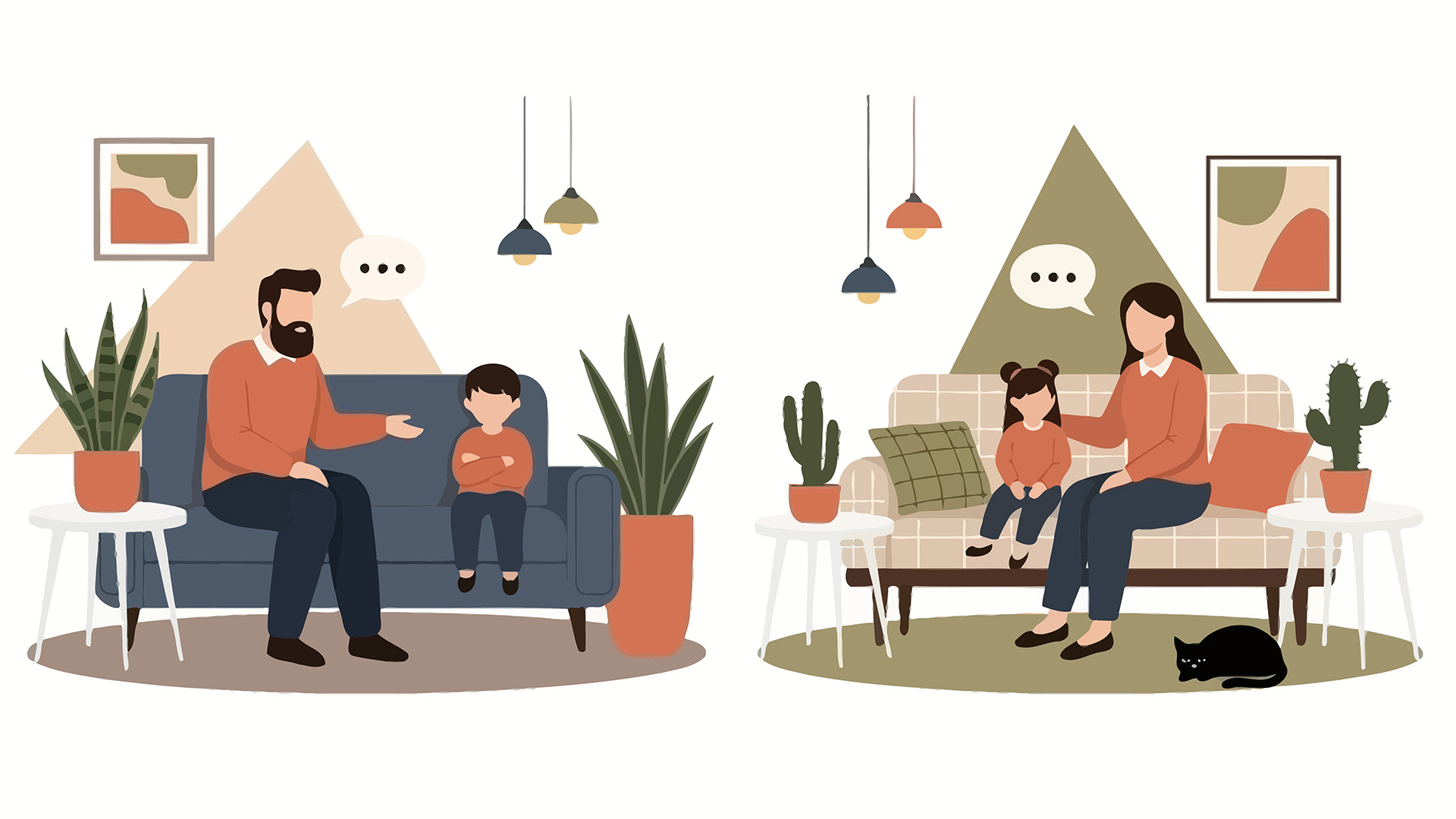
Communication is key
Good communication can make things easier as everyone readjusts.
Some families find a few simple approaches helpful when conversations get stuck:
Listen first: Try to take in what’s being said before thinking about your response.
Say how it feels: Phrases like ‘I feel…’ can help keep conversations open rather than defensive.
Keep in touch regularly: Even short, everyday chats can help stop small issues building up.
Need more support options?
The GOV.UK veteran support directory allows you to search and filter organisations in one place. It’s a helpful tool for finding services that fit your situation.
Adjusting to family life after service is a journey, not a switch
With patience, communication and access to the right support, veterans and their families can navigate these challenges and build strong, loving connections.
Coming home isn’t just about returning to a place. It’s about rediscovering one another as a family.