Recognising LGBT+ veterans of the UK armed forces
LGBT+ people have served in the UK armed forces for generations. Their dedication, professionalism and courage have helped protect the UK and support operations around the world. However, many LGBT+ veterans have in the past felt unable to fully celebrate their service, particularly in relation to issues around the historic ban on LGBT+ personnel in service before 2000.
This guide highlights the role LGBT+ veterans have played and support available to those who may need it.
Time to read:
A hidden history of service
LGBT+ personnel have served across every branch of the armed forces and in a wide range of roles. From operations overseas to supporting national security at home, their service has helped keep the UK safe.
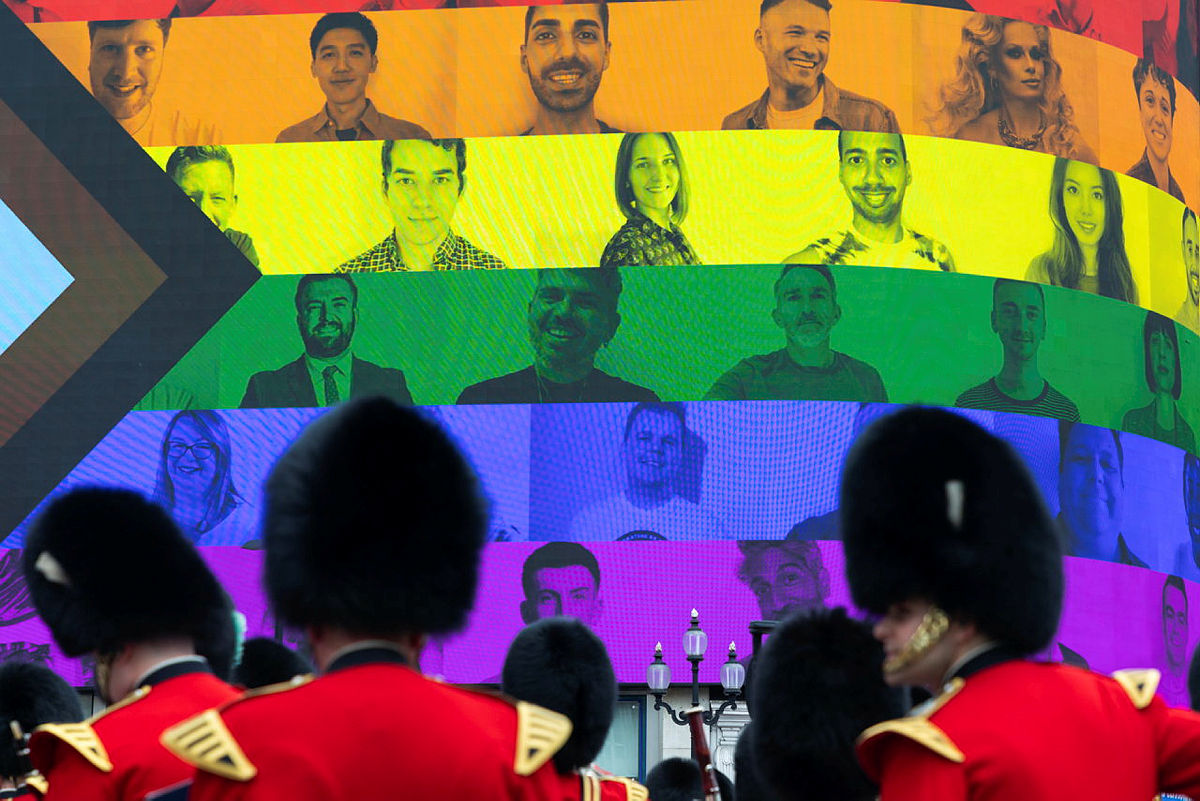
But from 1967 until 2000, the UK armed forces banned LGBT+ people from serving openly. As a result, many faced investigations, dismissal or pressure to leave because of who they were. Others, meanwhile, felt unable to continue serving while hiding an important part of their identity.
Despite these challenges, thousands of LGBT+ people served with distinction, and they continued to demonstrate professionalism and resilience. Today, we recognise their experiences as an important and previously hidden chapter in the story of the armed forces.
Recognition, remembrance and pride
In recent years, steps have been taken to acknowledge the experiences of LGBT+ veterans and ensure their service is properly recognised.
This includes the creation of the UK’s first national memorial to LGBT+ armed forces personnel at the National Memorial Arboretum. The memorial, designed as a bronze letter incorporating the words and experiences of those affected by the historic ban, honours the service, sacrifice and resilience of the LGBT+ armed forces community.
Places of remembrance like this offer space for reflection, recognition and pride. They help ensure that the stories of LGBT+ service personnel, including those who served in difficult circumstances, are remembered as part of the nation’s military history.
Applying for financial recognition and restorative measures
If you were affected by the ban on LGBT+ personnel serving between 1967 and 2000, you may be eligible for both financial recognition and non-financial restorative measures. These schemes are designed to acknowledge the impact of the ban and help restore recognition of your service.
Financial recognition payments
The UK government has introduced the LGBT Financial Recognition Scheme to provide payments to eligible veterans.
You may be able to apply if you:
- served in UK armed forces between 27 July 1967 and 11 January 2000
- were impacted by the ban on LGBT+ personnel
Applications are open until 12 December 2026.
Apply through the Defence Gateway or by post. You do not need formal evidence to apply, but providing as much detail as possible will help support your case.
If completing an application feels difficult, you can get support from the organisations listed below.
Apply online
If you’d prefer to complete a paper form, contact Veterans Services and they will send one by post.
Non-financial restorative measures
Alongside financial recognition, non-financial restorative measures are available to help acknowledge and restore veterans’ service and dignity.
These include:
- a personal letter of apology from a Service Chief of Staff
- restoration of rank or correction of discharge records
- replacement discharge papers
- an Etherton Ribbon or replacement cap badge
- the option to have service details officially recorded in The Gazette (for former officers)
- access to ceremonies or events to mark recognition
- the opportunity to share testimony as part of the historical record
In many cases, a next of kin or person of sufficient interest can apply on behalf of a deceased veteran.
More guidance on applying for non-financial restorative measures.
Apply online
Taking the next step
You can apply for one or both schemes, depending on your circumstances. Each is separate, with its own process, and you only need to apply for the measures that are relevant to you.
If you’re unsure where to start, support organisations in this guide can help you understand your options and guide you through the process.
Recognising your experience is an important step in ensuring that your service is properly acknowledged, both now and for future generations.
Support organisations that can help
If you’re an LGBT+ veteran and would like support, there are organisations that can help. They offer practical advice, wellbeing support and opportunities to connect with others in the armed forces community.
Support may include:
- health and wellbeing support
- help with housing, finances or employment
- peer networks and community groups
- help with issues around the historic ban
- guidance on reconnecting with the veterans community
Organisations that provide support include:
Fighting With Pride
Fighting with Pride is a specialist LGBT+ military charity that supports veterans, serving personnel and families, particularly those affected by the historic ban. They were instrumental in the creation of the national memorial.
In addition to this, they provide support to the LGBT+ military community, such as:
- community support workers
- guidance on accessing services
- help accessing mental health and wellbeing support
SSAFA – the Armed Forces charity
SSAFA’s Forcesline is a free and confidential telephone helpline, webchat and email service.
As a Stonewall Diversity Champion, SSAFA promotes inclusivity, including supporting same-sex adoption within the military community.
They can provide members of the LGBT+ veteran community with welfare advice, including for those affected by the historic ban.
MoD Veterans Services
MoD Veterans Services provides information and support for veterans, including help accessing services, compensation schemes and welfare support. They can help you navigate what support is available and how to apply.
Royal British Legion
The Royal British Legion offers specialist guidance and support for LGBT+ members of the armed forces community, including those affected by the historic ban. They can provide advice, welfare support and help with applying for schemes such as financial recognition.
Help for Heroes
Help for Heroes supports LGBT+ veterans in partnership with Fighting with Pride. They can help with issues around the historic ban or any other support queries from members of the LGBT+ armed forces community.
Need more options?
The GOV.UK veteran support directory allows you to search and filter support organisations in one place. It’s a helpful tool for finding services that fit your situation.
Your service matters
Every person who has served has played a role in the history of the UK armed forces, and that includes LGBT+ veterans.
Your dedication, professionalism and resilience helped shape the armed forces of today, and your contribution is recognised, valued and remembered.