Why you should tell your GP you’ve served in the armed forces
If you’re a veteran of the UK armed forces, your GP needs to know. Telling your GP you’re a military veteran helps you get the right care at the right time, from people who understand military life.
Here’s how to get the most out of your GP and the NHS as a veteran.
Time to read:
Register with a GP as soon as you can
Don’t wait until you’re unwell to find a GP practice. Register early so you can get help quickly when you need it.
You can:
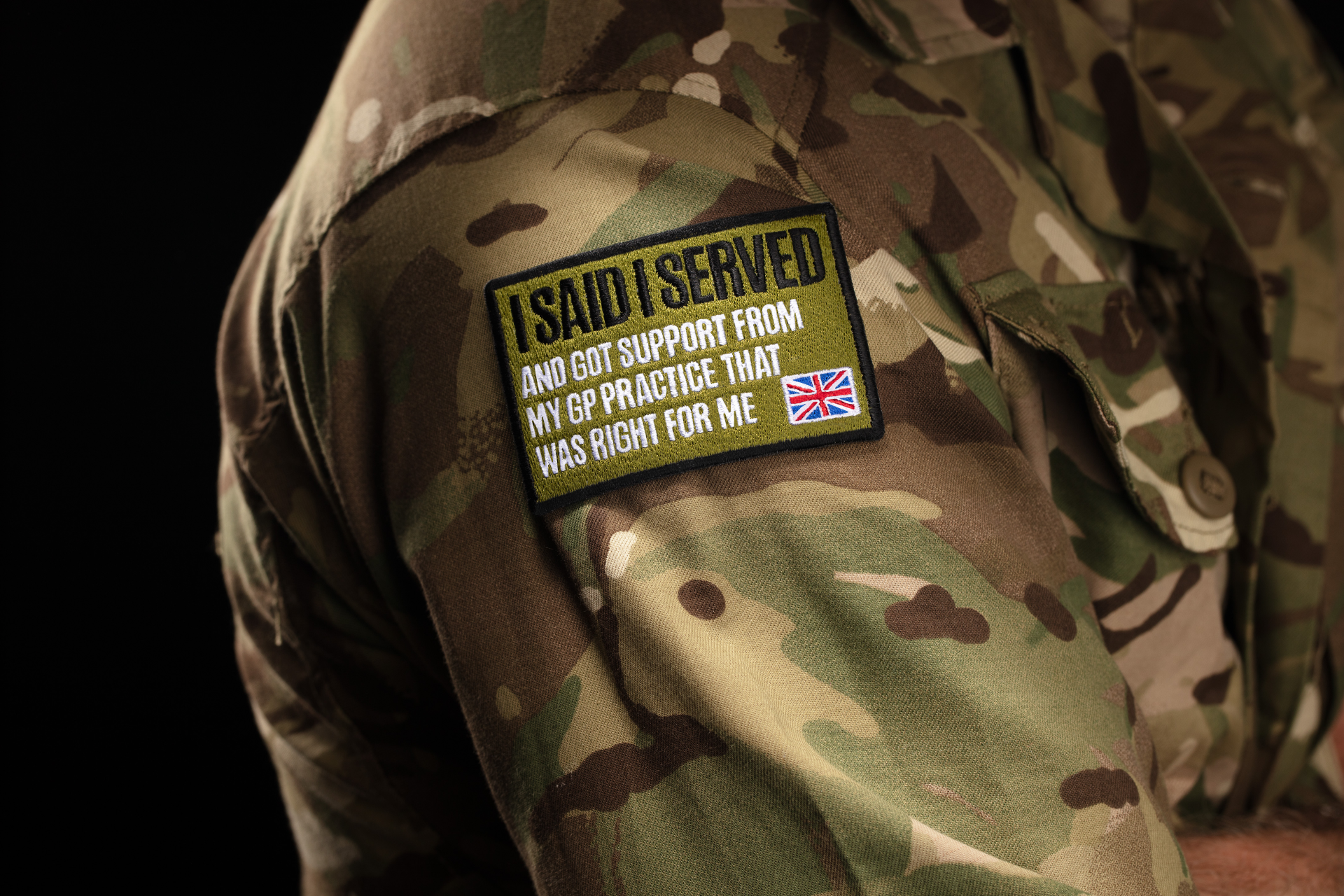
Tell your GP you’re a military veteran
When you register, or at your next appointment, tell your GP that you’ve served in the armed forces. Ask them to add the term ‘military veteran’ to your patient record.
This simple step helps your GP:
- understand any health conditions that may be linked to your time in service
- make informed decisions about your care
- refer you to specialist veteran services if needed
It doesn’t matter whether you left last month or many years ago. It always helps.
Share your military medical records with your GP
If you’ve recently left the forces, your military medical centre should have given you paperwork. Give this to your new GP.
It means your military health record can transfer to your NHS record, so any ongoing treatment, injuries or conditions are properly understood.
Even if you left the forces a long time ago and only have some paperwork, share whatever you have – every detail helps build a clearer picture of your health.
Ask your GP about accessing specialist healthcare services
In addition, ask about accessing services designed for armed forces veterans. Telling your GP you’re a military veteran means they may refer you to dedicated veteran healthcare services.
Professionals in these services:
- help you get the right care, treatment and ongoing support
- understand military life and terminology
- often have military backgrounds or years of experience working with the armed forces community
- work closely with charities and organisations that support wider wellbeing needs
Support beyond the NHS
Finally, ask your GP about any armed forces charities available locally. With your consent, your GP may refer you to them or you can access them directly.
These organisations can offer practical support, financial advice, mental health guidance and community connection, even if they don’t provide medical care.

Your information is safe
It’s normal to feel unsure about sharing details of your service. But the NHS is legally bound to keep your information confidential.
GPs, nurses and all NHS staff follow strict confidentiality rules, so you can speak openly about your experiences and any concerns you have.
Getting the care you deserve
Your service matters. By telling your GP you’re a military veteran, you help ensure your healthcare reflects your unique experiences and needs.
If you’re ready, start today. Register, share your records and start the conversation with your GP. It can make a real difference.