Disability support for veterans in Northern Ireland: help to live comfortably and independently
If you’re a veteran living with a disability, injury, long-term illness or mobility challenge, you are not expected to manage alone. Disability support for veterans in Northern Ireland exists to help you live safely, independently and with dignity.
Whether you need adaptations to your home, mobility equipment, financial support or help with travel, there are services in place to support you – many of them free.
This guide explains the practical help available and how to get started.
Time to read:
This guidance is for Northern Ireland. There are separate guides for England and Wales and Scotland.
1. Check what benefits you can get
Many veterans miss out on financial support available to them simply because they are unaware of what they can claim. You may still be eligible even if you’re working, have savings or receive other income.
Key benefits to explore include:
Personal Independence Payment (PIP)
Firstly, Personal Independence Payment is a key part of disability support for veterans in Northern Ireland. It is available if you:
- a long‑term physical or mental health condition, and
- difficulties with daily living or mobility
It helps cover the extra costs of living with disability.
Universal Credit
Additionally, Universal Credit provides a monthly payment if you:
- are on a low income
- are out of work
- cannot work due to a health condition
Attendance Allowance
If you have a severe disability and need help with personal care, you can claim Attendance Allowance.
Employment and Support Allowance (ESA)
Finally, Employment and Support Allowance provides financial support if your disability or health condition affects how much you can work.
Eligibility can change, so it’s always worth doing a full benefits check, even if you’ve checked before.
Armed Forces Compensation Scheme or War Pension Scheme
It’s important to note that, if you’re receiving AFCS or WPS payments, this can affect your eligibility or the amount you receive for other means-tested benefits.
Get benefits advice
Veterans and families in Northern Ireland can access free, confidential advice through the Department for Communities’ Veterans Support Line NI.
They can talk you through your benefit entitlements.
Call: 0800 158 5556
Text ADVICE to 07860 042576
2. Check if you can apply for a Disabled Facilities Grant
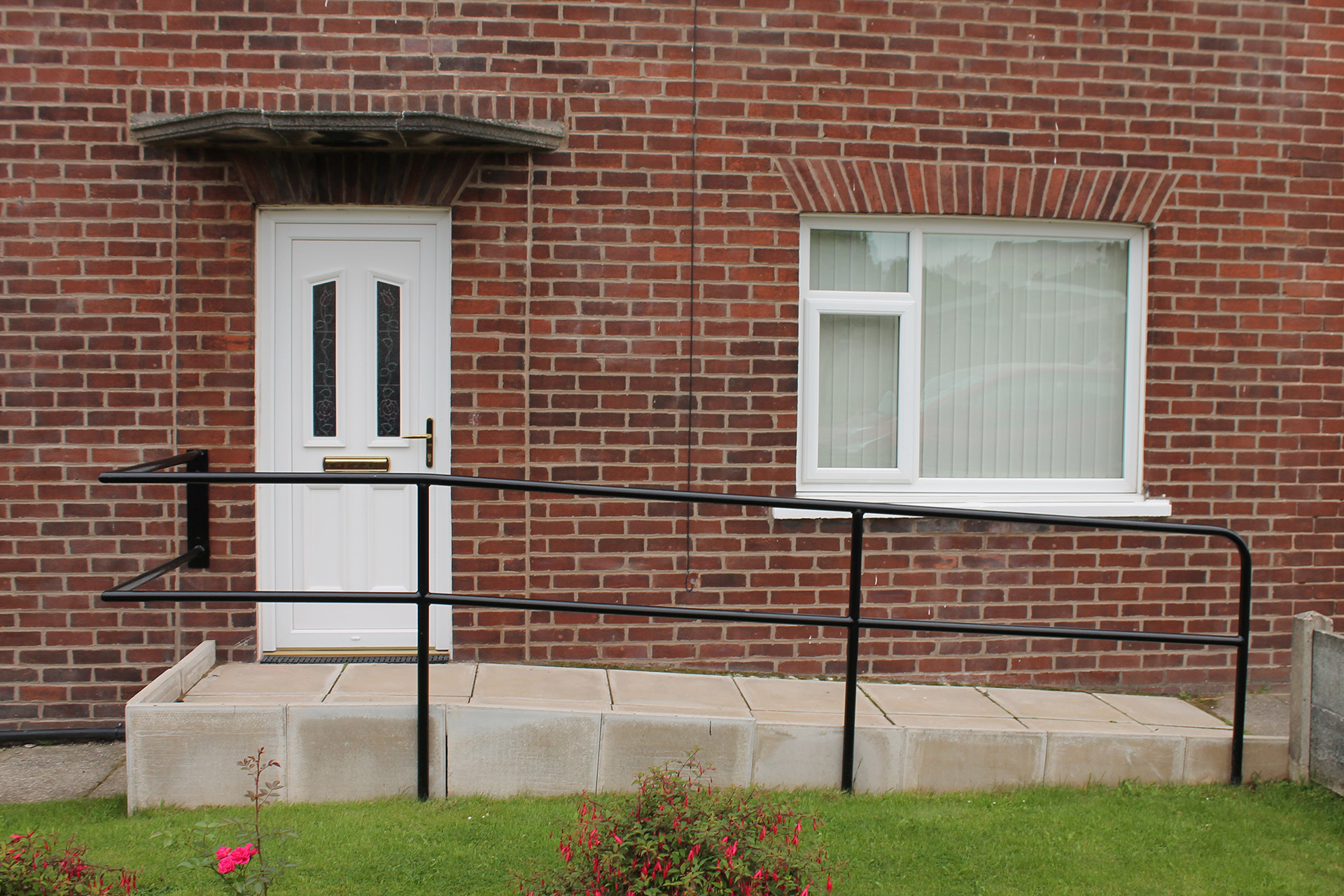
If your disability makes everyday tasks harder at home, you may be entitled to financial support from your local council through a Disabled Facilities Grant.
These grants help to fund essential home adaptations.
They cover large, structural changes to your home, such as:
- ramps and step‑free access
- stair lifts
- accessible or walk‑in showers
- widened doorways
- grab rails and safety features
- other adaptations that support independent living
Typically, grants are provided through the Northern Ireland Housing Executive (NIHE), although eligibility and funding levels can vary.
Contact your local Health and Social Services Trust, who will answer your questions, start the process and contact the Housing Executive.
You can also speak to your GP or social worker.
3. Check if you can get mobility equipment or home adaptations
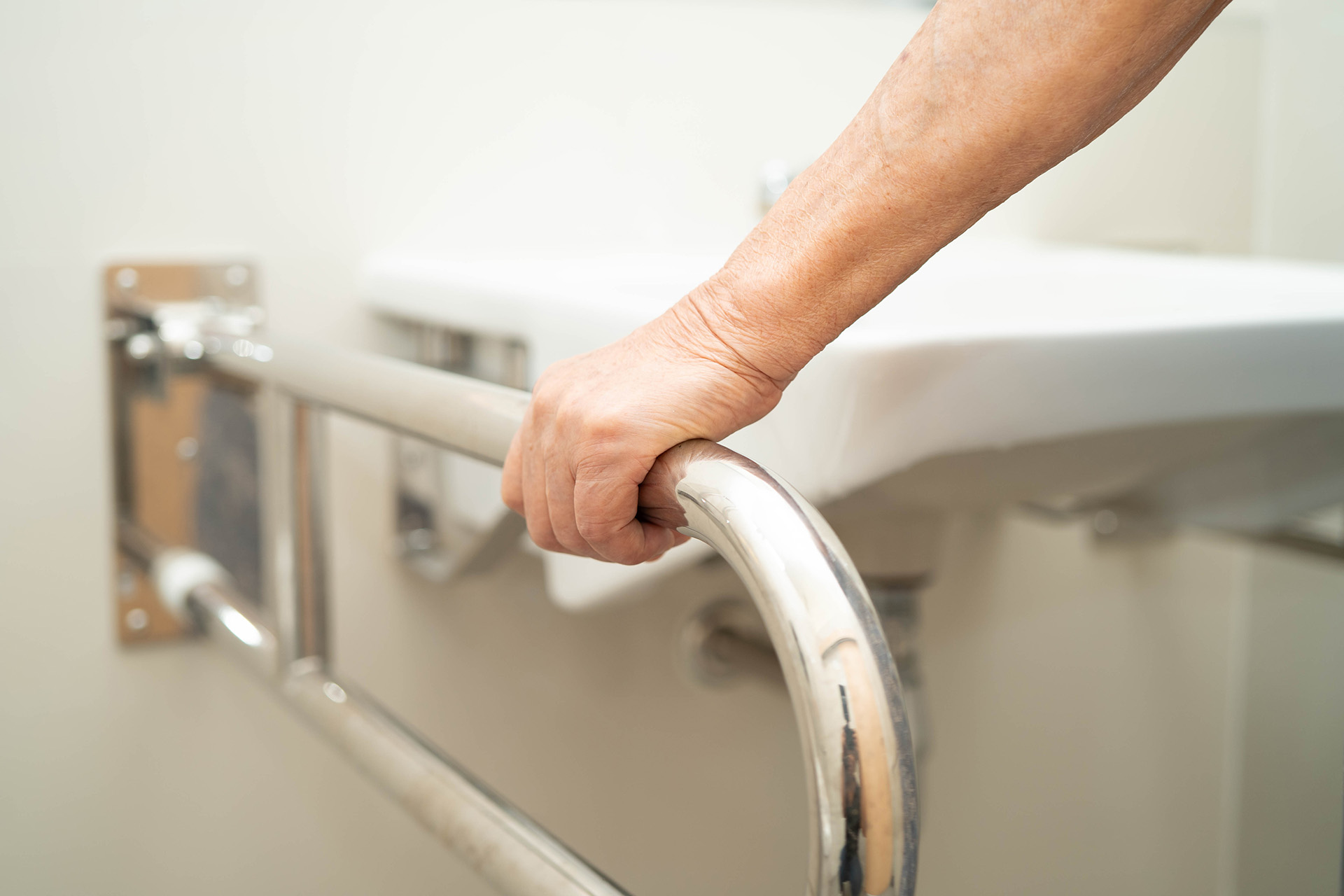
Your local Health and Social Services Trust can also provide smaller home adaptations and mobility equipment without a grant, often for free or at low cost.
This might include:
- walking aids (sticks and frames)
- temporary hoists and lifting equipment
- grab rails and home safety adaptations
- specialist beds or seating
In most cases, an assessment will be carried out to determine what equipment best suits your needs.
Therefore, getting assessed is an important first step toward maintaining your independence.
Speak to your GP or local Health and Social Care Trust to arrange an assessment.
4. Get help with travel costs
Travel should not be a barrier to independence. You may be eligible for various schemes to help reduce or remove travel costs.
Blue Badge Scheme
You may qualify automatically if you:
- receive the War Pensioners’ Mobility Supplement
- have an Armed Forces Compensation Scheme award (Tariffs 1–8)
- have a permanent disability that makes walking very difficult
Veterans Railcard
The railcard:
- costs £35 per year
- saves one‑third on rail travel across Great Britain
- not valid on Northern Ireland Railways or Translink services
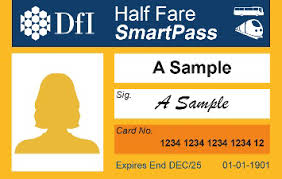
Half Fare SmartPass (Northern Ireland)
The Half Fare SmartPass entitles holders to:
- 50% off standard adult single fares on scheduled bus and rail services operating within Northern Ireland
Also available:
- 60+ SmartPass
- Senior (65+) SmartPass
- War Disablement SmartPass
5. Explore organisations that can help veterans with disability support in Northern Ireland
You don’t have to navigate disability support alone. These organisations offer trusted, specialist help for veterans and their families.
MoD Veterans Services
MoD Veterans Services can provide one-to-one support to disabled veterans. This support can be provided by phone, email, video call or in person. They can provide:
- advice on disability benefits and help with applications
- help with armed forces pension entitlements
- advice on compensation claims for injury or illness caused by armed forces service
- referrals to specialist services for issues around health, employment, housing and finance
Citizens Advice Northern Ireland
Citizens Advice provides free, confidential, independent advice.
They can help with:
- disability benefits
- housing
- debt
- general support
Brooke House Health and Wellbeing Centre
Brooke House Health and Wellbeing Centre is a VALOUR-recognised centre. This means it acts as a co-ordinating lead for local veteran support services across Northern Ireland.
They can help veterans and families with issues such as understanding your entitlements, helping with paperwork and processes and referring you to other services across the network where required.
Based at Colebrooke Park, County Fermanagh, they provide physical and mental wellbeing support on site, as well as being able to provide advice with housing, employment and welfare issues in their role as a VALOUR-recognised centre.
Call: 020 8953 1223
Email: info@brookehouse.co.uk
Online: Brooke House – Contact Us
Royal British Legion
The Royal British Legion can help you:
- understand disability benefits
- make claims
- challenge decisions and appeals
Blesma, The Limbless Veterans
Blesma supports limbless veterans with:
- financial and emotional support
- advice on prosthetics
- grants to support mobility and independence
SSAFA – the Armed Forces Charity
SSAFA can help veterans with:
- financial assistance
- mobility costs
- household equipment and adaptations
Need more options?
The GOV.UK veteran support directory allows you to search and filter organisations in one place. It’s a helpful tool for finding services that fit your situation.
You don’t have to manage alone
There is a wide range of disability support for veterans in Northern Ireland because your service matters, and so does your quality of life.
Whether you need practical adaptations, financial help or expert advice, support is available to help you live independently and with confidence.
5 steps you can take today:
Complete a full benefits check.
Explore the Disabled Facilities Grant.
Check if you can get mobility equipment or home adaptations.
Apply for travel support you’re entitled to.
Find organisations that can help.
Support is there, and it’s built with veterans in mind.