Disability support for veterans in Scotland:
5 things to do to make sure you’re getting the help you deserve
If you’re a veteran living with a disability, injury, long-term condition or mobility challenge, there is disability support for veterans in Scotland to help you live safely, independently and with dignity. Services, grants and charities are in place to support veterans, many of them free or low cost.
This guide explains the support available and how to access it.
Time to read:
This guidance is for Scotland. There are separate guides for England and Wales and Northern Ireland.
1. Check what benefits you can get
Many veterans miss out on financial support simply because they don’t realise what they can claim. You may still be eligible even if you’re working, have savings or receive other income.
Key benefits to explore include:
Adult Disability Payment (ADP)
Adult Disability Payment is a core element of disability support in Scotland. It can help if you:
- have a long-term physical or mental health condition
- struggle with daily living or mobility
It provides financial support for the extra costs of disability.
Universal Credit
Universal Credit provides a monthly payment if you:
- are on a low income
- are out of work
- cannot work due to a health condition
Employment and Support Allowance
You can apply for Employment and Support Allowance (ESA) if you have a disability or health condition that affects how much you can work.
ESA gives you:
- support to get back into work if you’re able to
- money to help with living costs if you’re unable to work
Adult Disability Payment or Pension Age Disability Payment
Adult Disability Payment is extra money to help you if you have a disability or long-term health condition that affects your everyday life.
Pension Age Disability Payment applies if you have both:
- reached State Pension age
- care needs because of a disability or long-term health condition
Taken together, these benefits can significantly improve your financial stability.
Armed Forces Compensation Scheme or War Pension Scheme
It’s important to note that, if you are receiving AFCS or WPS payments, this can affect your eligibility or the amount you receive for other means-tested benefits.
2. Check if you can get help with home adaptations
If your mobility has been affected, whether due to service, illness or age, you may be entitled to support through your local council working alongside NHS services.
You can get equipment to help you live at home independently, for example
- mobility scooters (often through grants or charities)
- hoists and lifting equipment
- stair lifts
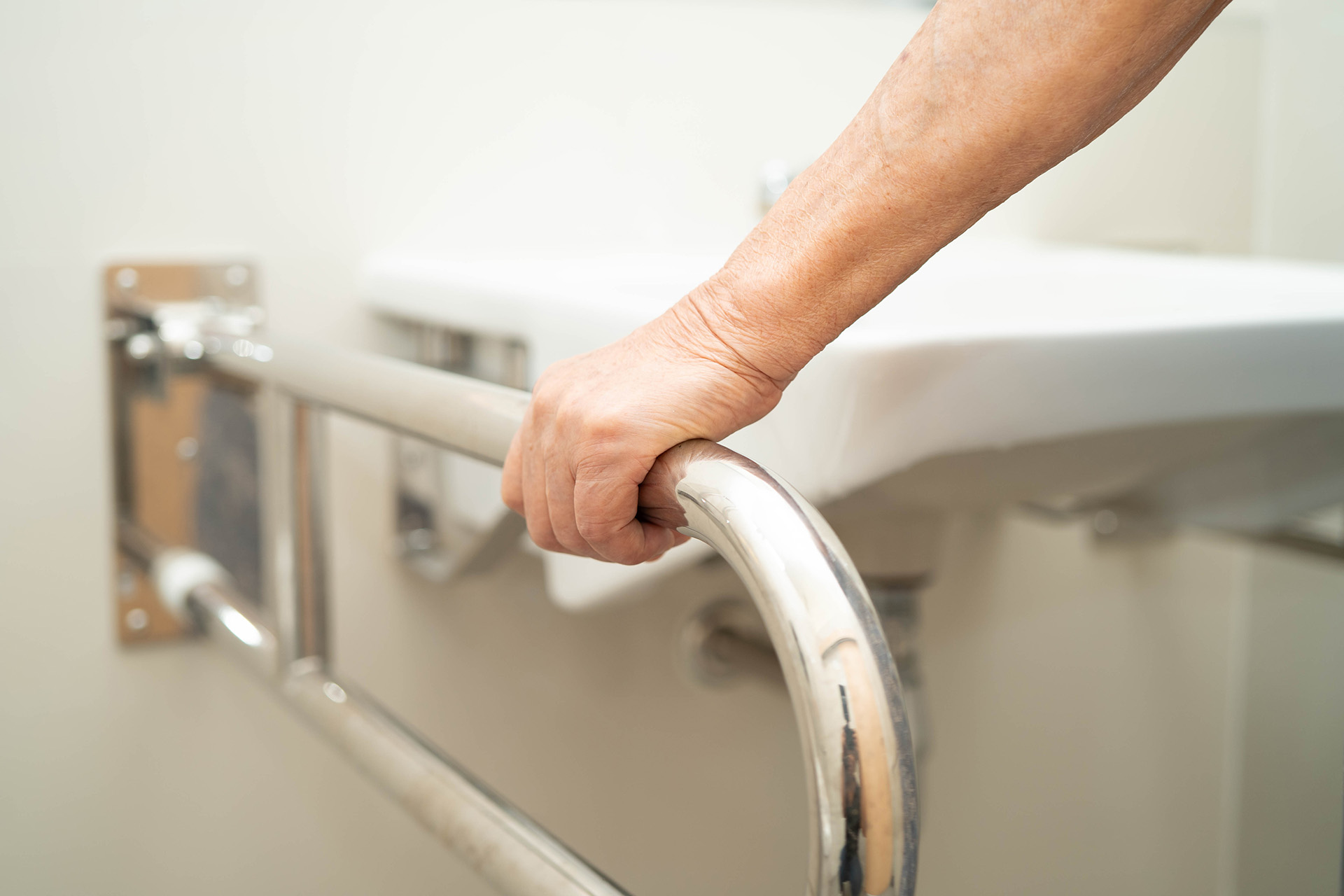
- grab rails and home safety adaptations
- specialist beds or seating
Each council operates its own scheme, so the level of support can vary. In many cases, grants are available, particularly where adaptations are necessary for daily living.
Typically, this support is provided following an assessment to ensure the equipment is suitable for your needs.
With this in mind, taking that first step toward an assessment can make a significant difference to your daily life.
Speak to your local council’s social work team to arrange a care needs assessment.
If you live in social housing
The Scheme of Assistance helps with home adaptations to private homes.
If you’re living in social housing, you should contact your housing provider (local council or Registered Social Landlord) to discuss adaptations.
3. Look into getting mobility equipment and care support
Similarly, you may be entitled to more minor mobility equipment (typically costing under £1,000) that can be provided free of charge from your local council working alongside NHS services.
Examples include:
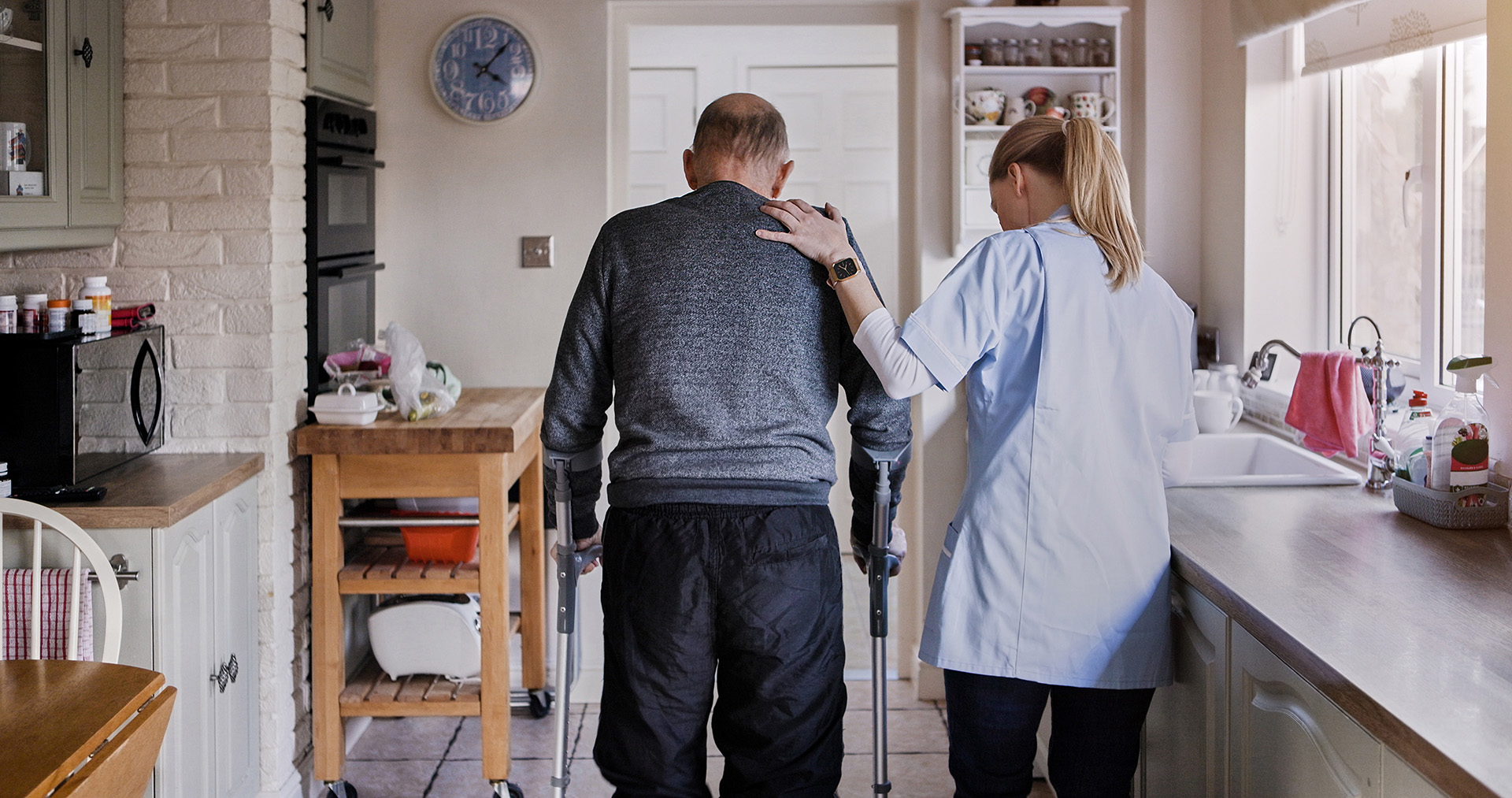
- walking aids (sticks and frames)
- bathroom aids (bath seats, shower rails, raised toilet seats)
- telecare equipment
The process is the same as for home adaptations, although often quicker. Contact your local council to request an occupational therapy or home assessment.
4. Get help with travel costs
Just as importantly, travel should not be a barrier to independence. That’s why various discount schemes exist in Scotland to help reduce or remove travel costs for disabled people.

Blue Badge Scheme
You may qualify automatically if you:
- receive the War Pensioners’ Mobility Supplement
- have an Armed Forces Compensation Scheme award (Tariffs 1–8)
- have a permanent disability that makes walking very difficult
Veterans Railcard
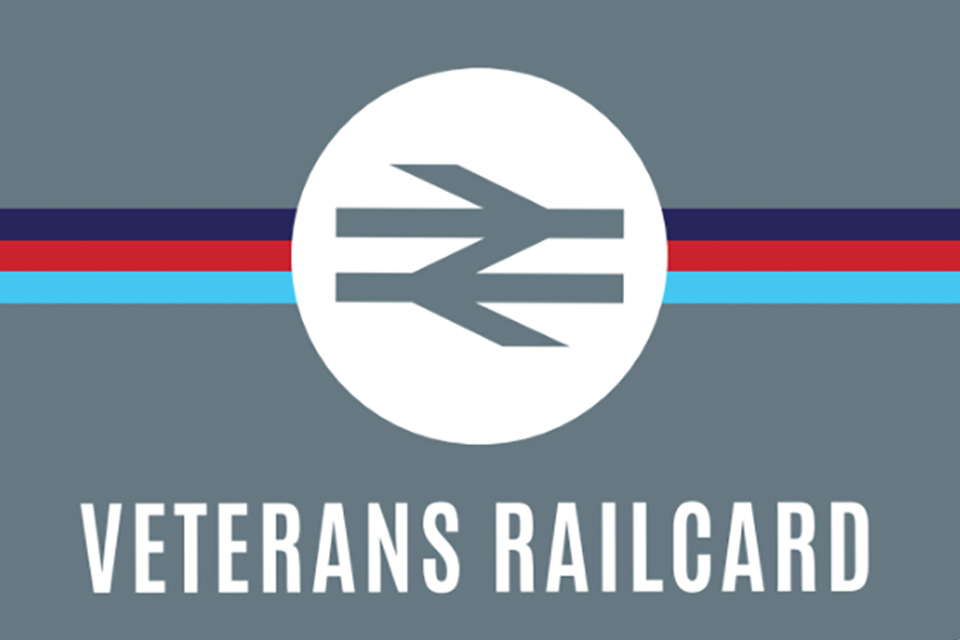
The railcard:
- costs £35 per year
- saves one‑third on rail travel across Great Britain

Disabled or older person’s bus pass
Apply through your local council for free or discounted bus travel in your area.

Vector24 – specialist transport for veterans
Provides free transport for veterans in Scotland, including those with mobility challenges or complex needs, who need help getting to medical appointments or essential services.
5. Explore organisations that offer disability support for veterans in Scotland
Finally, you don’t have to navigate this alone. There are several organisations that can provide disability support for veterans in Scotland and can guide you every along the way.
MoD Veterans Services
MoD Veterans Services can provide one-to-one support to disabled veterans. This support can be provided by phone, email, video call or in person. They can provide:
- advice on disability benefits and help with applications
- help with armed forces pension entitlements
- advice on compensation claims for injury or illness caused by armed forces service
- referrals to specialist services for issues around health, employment, housing and finance
Poppyscotland
Poppyscotland is a leading provider of disability support for veterans in Scotland, offering:
- financial help
- housing and mobility support
- tailored advice for veterans
Glasgow’s Helping Heroes
Glasgow’s Helping Heroes is a VALOUR-recognised centre run by SSAFA. They can provide in person support at their Glasgow drop-in centre or help you remotely. Support may include:
- help with disability claims
- housing and mobility support
- help with financial stability
As part of the VALOUR-recognised support network in Scotland, they can also help you access wider support from providers across the system.
Housing Options Scotland
If your disability means you can no longer live in your current home, Housing Options Scotland can help you find a home suitable for your needs.
They offer specialist support for both veterans and disabled people. This includes advocacy services to help you navigate complex housing arrangements.
Sight Scotland Veterans
If you’re living with sight loss, Sight Scotland Veterans provides specialist support to help you stay independent and connected. They can support with mobility, rehabilitation and accessing the community.
They offer:
- advice and services tailored to veterans with sight loss
- mobility training and rehabilitation
- support to travel safely and confidently
Citizens Advice Scotland
Citizens Advice provides free, confidential, independent advice.
They can help with:
- disability benefits
- housing
- debt
- general support
Blesma, The Limbless Veterans
Blesma supports limbless veterans with:
- financial and emotional support
- advice on prosthetics
- grants to support mobility and independence
Naval Children’s Charity
The Naval Children’s Charity supports children and young people (up to 25) with a parent who has served in the Royal Navy or Royal Marines.
They can provide grants where:
- a child is disabled, or
- a parent or carer is disabled
Need more options?
The GOV.UK veteran support directory allows you to search and filter organisations in one place. It’s a helpful tool for finding services that fit your situation.
You don’t have to manage alone
There is a wide range of disability support for veterans in Scotland – because your service matters, and so does your quality of life.
Whether you need home adaptations, financial help or expert advice, support is available to help you live independently and with confidence.
Steps you can take today:
Complete a full benefits check.
Contact your local council about home adaptations and care equipment (needs assessment).
Apply for the travel support you’re entitled to.
Find support organisations that can help.
In short, support is there, and it’s built with veterans in mind.